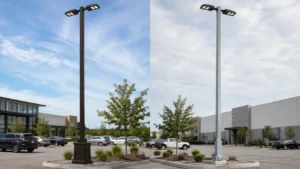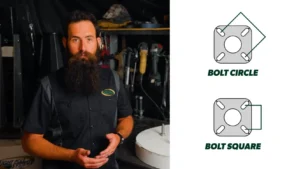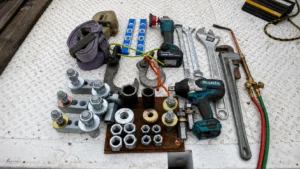
Ordering a light pole involves more than choosing the height, material, shape, and finish. The way the light fixture or other equipment will attach to the pole should also be considered before the pole is manufactured.
Planning light pole fixture mounting in advance can reduce the amount of drilling, fitting, and modification that has to be completed in the field.
Light Pole Systems can incorporate a variety of fixture mounting requirements directly into new poles, including pre-drilled mounting holes, post-top fitters, tenon adapters, bullhorns, camera mounts, additional hand holes, and other custom configurations.
If your project requires a particular pole configuration, we can also help with custom light poles designed around the requirements of the project.
Why Plan Light Pole Fixture Mounting Before Installation?
A light pole may arrive at the job site ready to be installed, but the fixture still has to connect correctly to the pole.
If the mounting requirements were not considered when the pole was ordered, installers may discover that additional holes, adapters, brackets, or other modifications are needed in the field.
Planning the mounting configuration ahead of time allows many of those requirements to be incorporated while the pole is being fabricated.
This can help:
- Reduce field modifications
- Reduce unnecessary drilling at the job site
- Make fixture installation more efficient
- Ensure the correct mounting provisions are included with the pole
- Accommodate cameras or other equipment in addition to lighting fixtures
- Simplify projects that require multiple fixtures or custom mounting arrangements
Fixture mounting is one of the details worth confirming before placing a light pole order, especially when replacing existing poles or working with a non-standard fixture configuration.
For the other specifications worth confirming before purchase, see our guide on how to order a light pole.
For additional planning considerations, see our guide to common light pole problems and how to prevent them.
Common Light Pole Fixture Mounting Options
There is no single fixture mounting configuration that works for every light pole.
The correct option depends on the fixture, pole, number of fixtures, mounting location, and requirements of the project.
Here are several common options Light Pole Systems can incorporate into a pole.
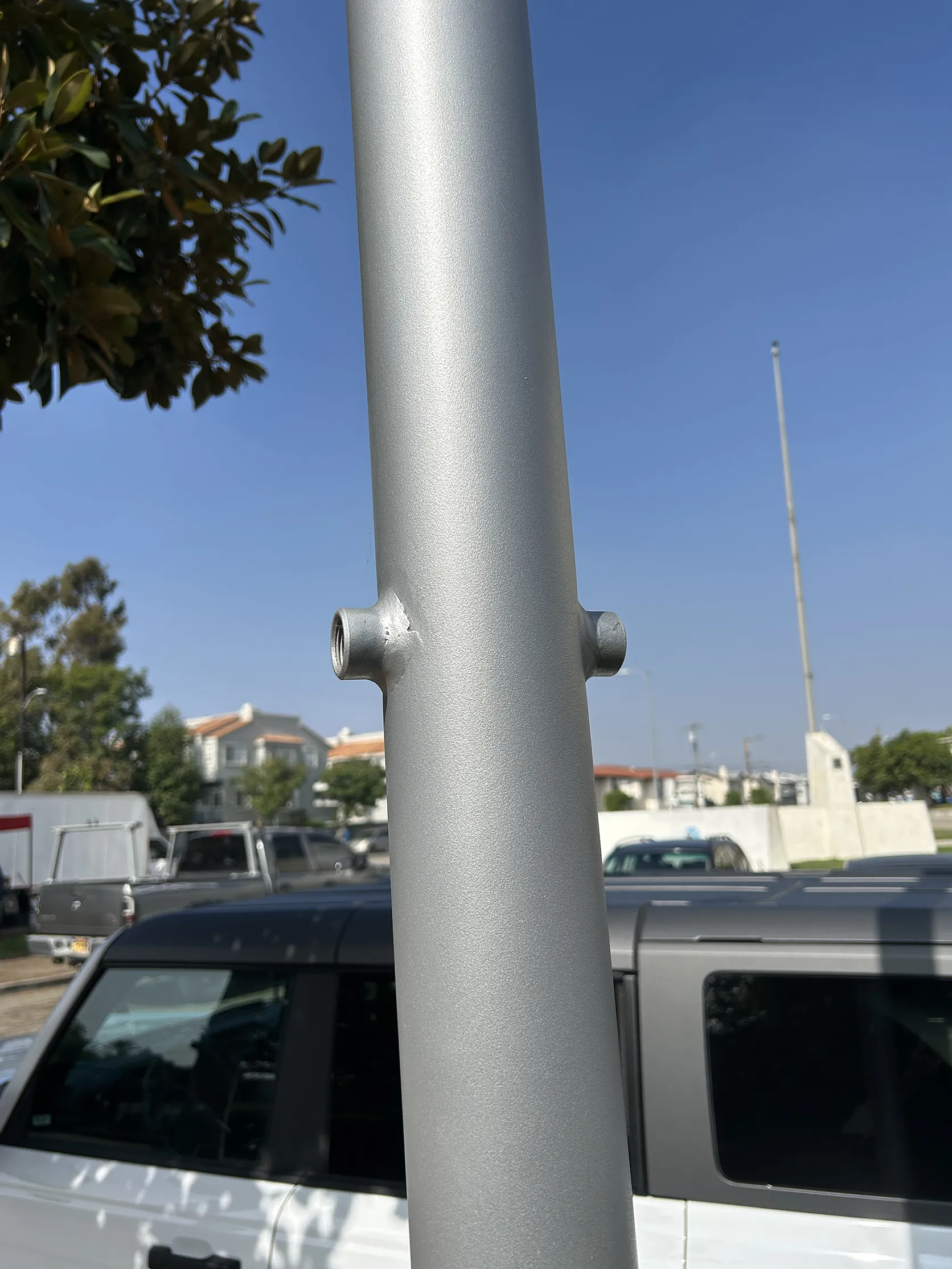
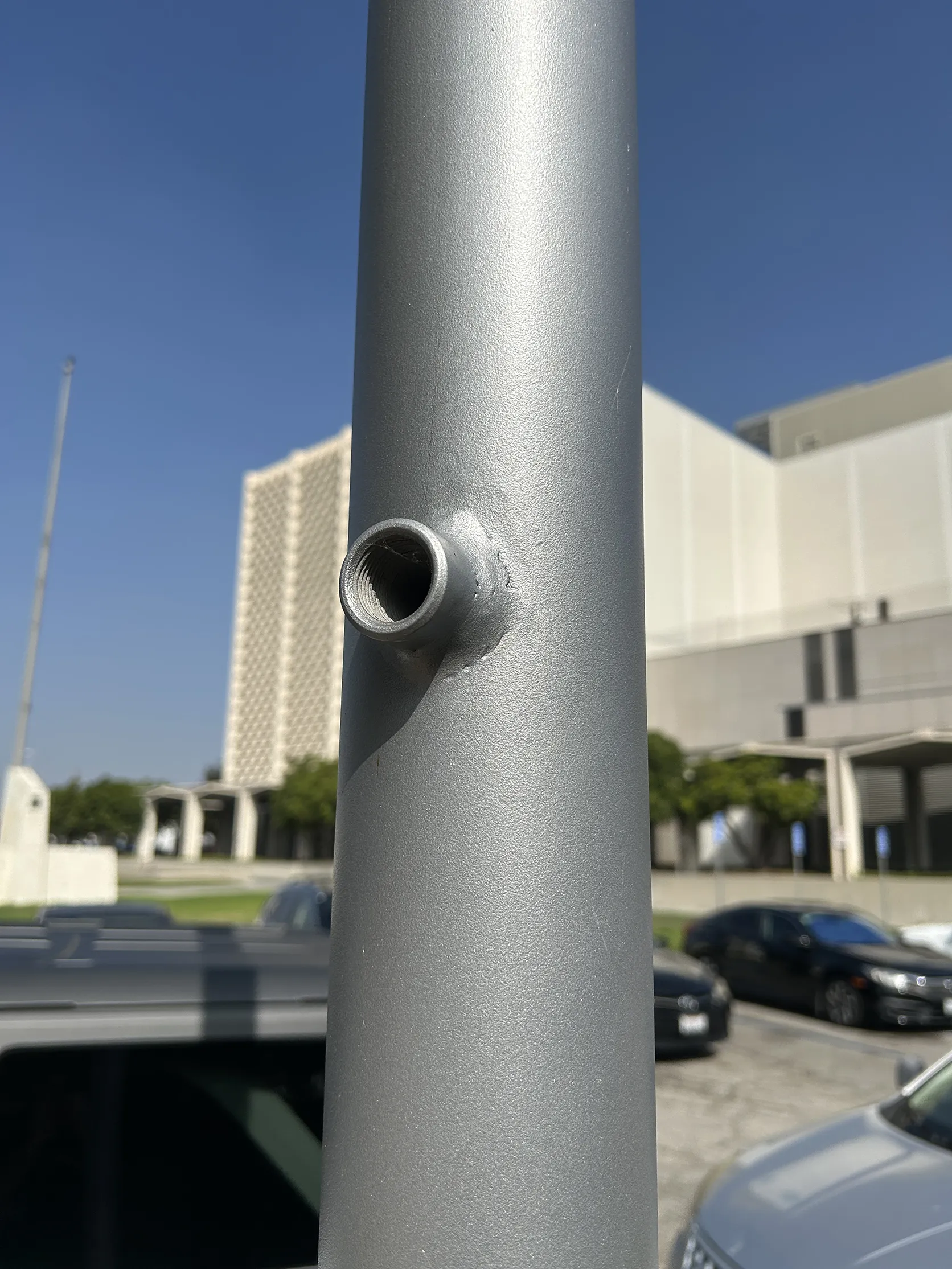
Pre-Drilled Fixture Mounting Holes
One of the simplest options is having the required mounting holes drilled into the pole during fabrication.
When the fixture or mounting bracket specifications are known ahead of time, the pole can be prepared for that configuration before it reaches the job site.
Providing fixture information, drawings, or mounting dimensions when ordering can help determine the required hole locations.
Pre-drilling the pole can eliminate the need for installers to determine mounting locations and drill those holes in the field.
Post-Top Fitters
A post-top fitter provides a mounting connection at the top of the pole for compatible fixtures.
If a project calls for a post-top fixture, the pole can be prepared with the appropriate fitter as part of the pole configuration.
The most common post-top fitter size is a 2-3/8-inch outside diameter (OD) tube, commonly referred to as 2-inch pipe. Other sizes can also be used depending on what the fixture or tenon adapter requires. Knowing the fixture specifications before ordering is important because fixture connections and mounting requirements can vary.
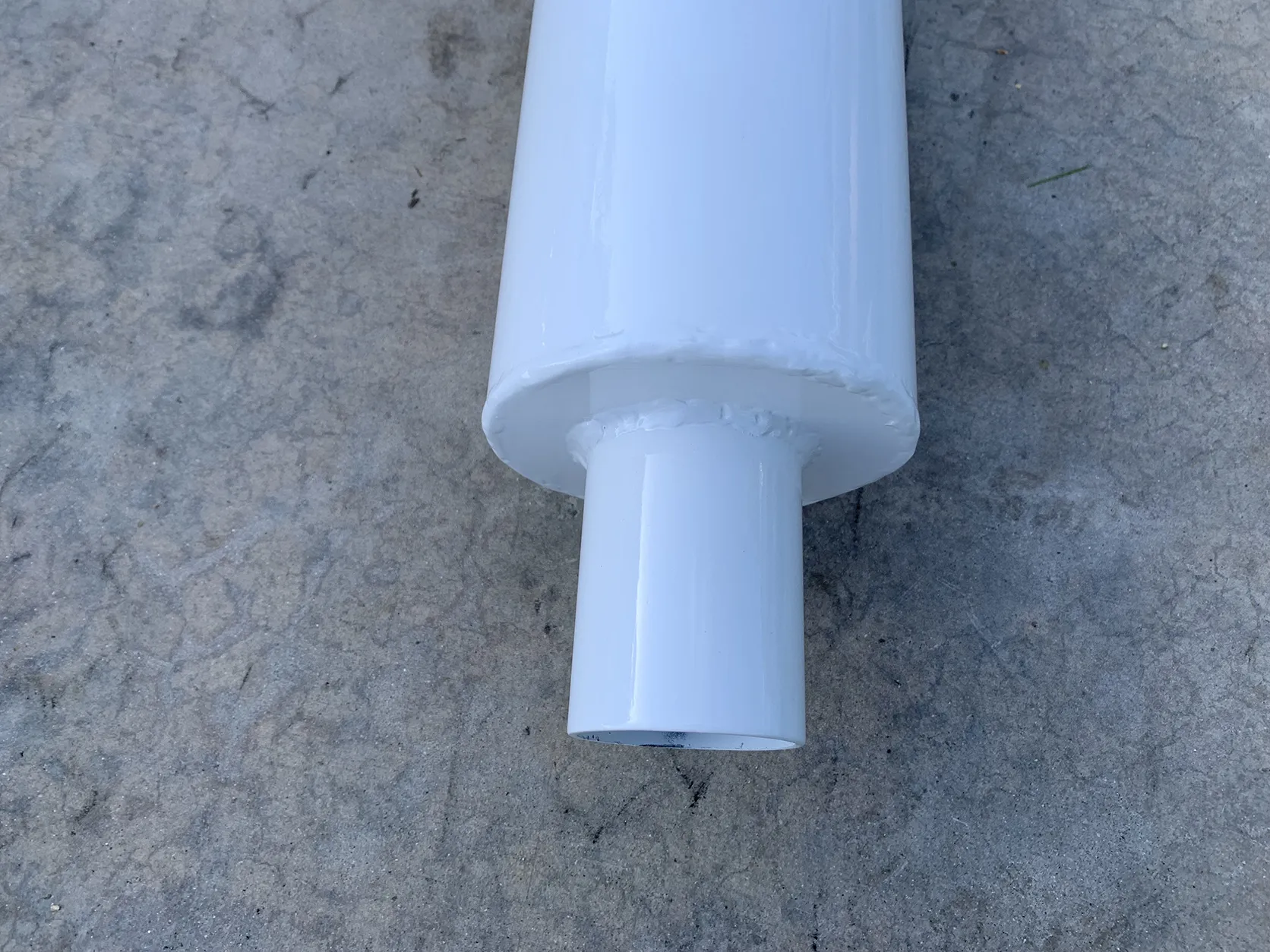
Tenon Adapters
Tenons are commonly used at the top of light poles to provide a mounting point for fixtures or fixture-mounting hardware.
When the fixture and pole do not use the same mounting configuration, a tenon adapter may be used to create the required connection.
Light Pole Systems can incorporate tenon-related mounting requirements into the pole order when the required configuration is provided in advance.
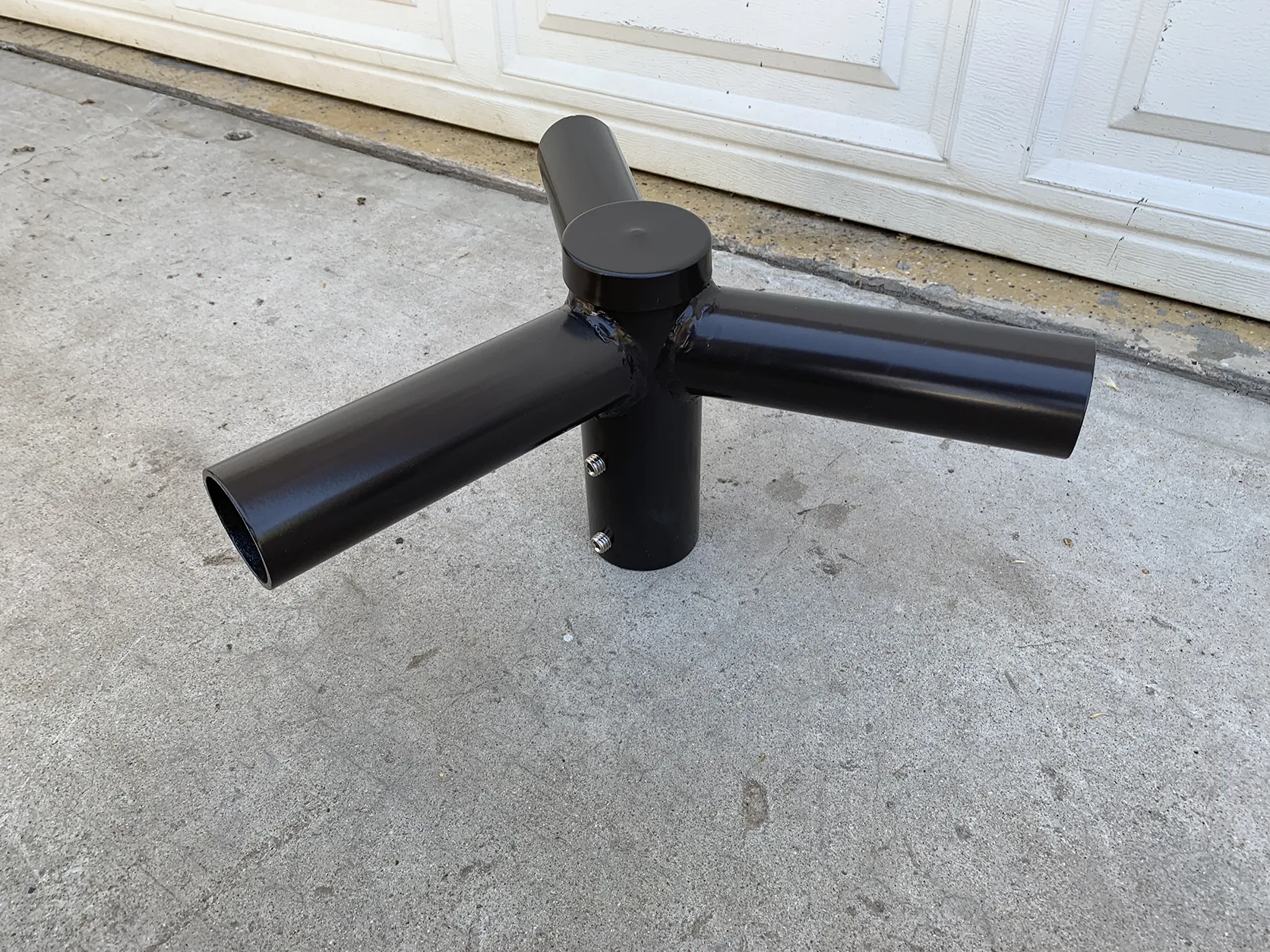
Bullhorn Mounts
Some projects require more than one fixture on a single light pole.
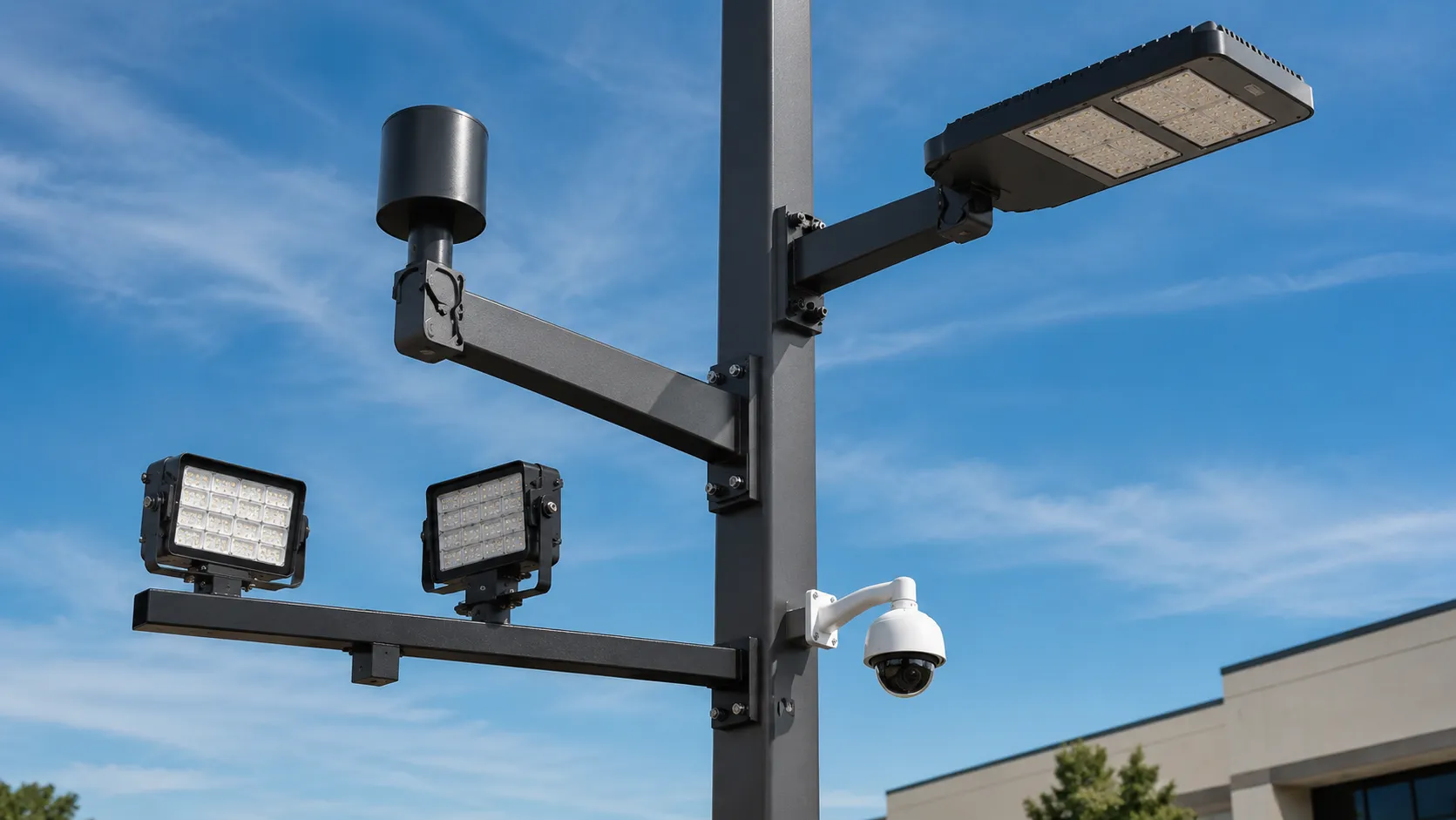
A bullhorn mount provides multiple mounting positions from the pole and can be used when the lighting layout calls for several fixtures mounted from the same pole.
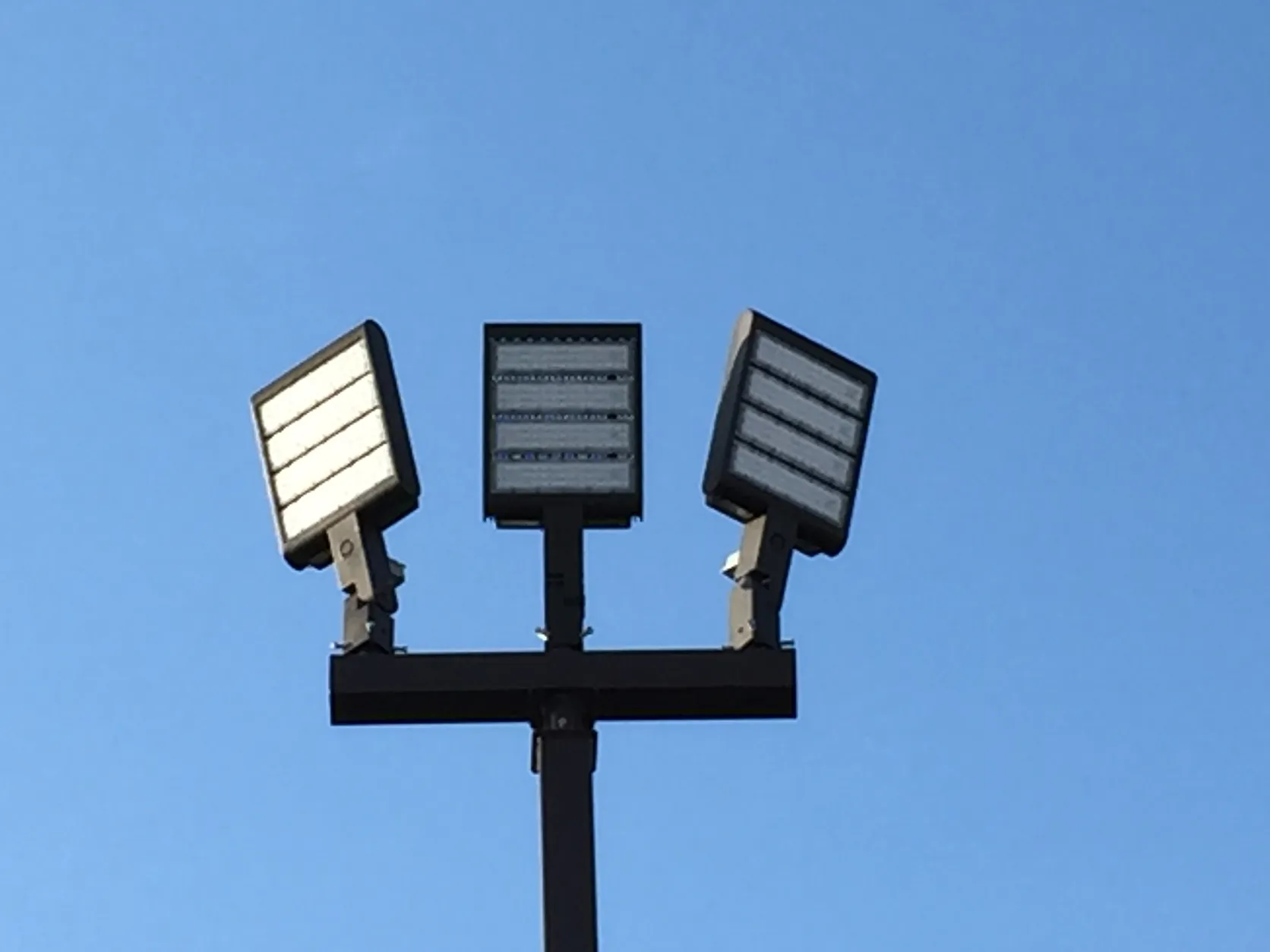
Because bullhorn configurations can vary based on the number and arrangement of fixtures, the intended fixture layout should be identified before the pole is fabricated.
Fixture quantity and mounting configuration can also affect wind loading. See our guide to light pole EPA rating for more information about fixture EPA and pole capacity.
Camera Mounts
Light poles are not always used exclusively for lighting.
Commercial properties, parking areas, schools, municipalities, and other facilities may also use poles to support surveillance cameras or related equipment.
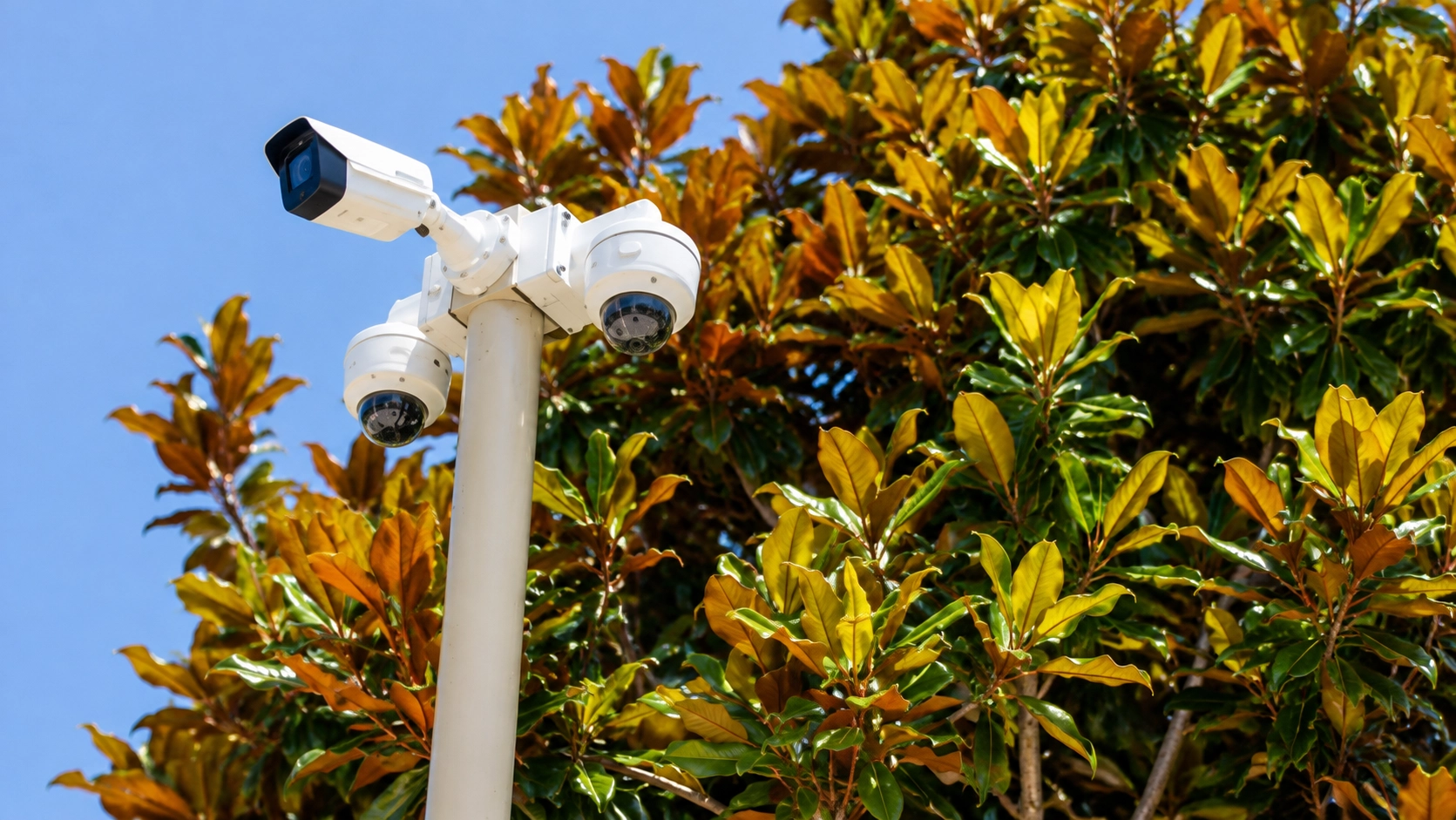
Light Pole Systems can incorporate camera mounting provisions into new light poles when those requirements are identified during the ordering process.
This can be particularly useful when both lighting and security equipment will share the same pole.
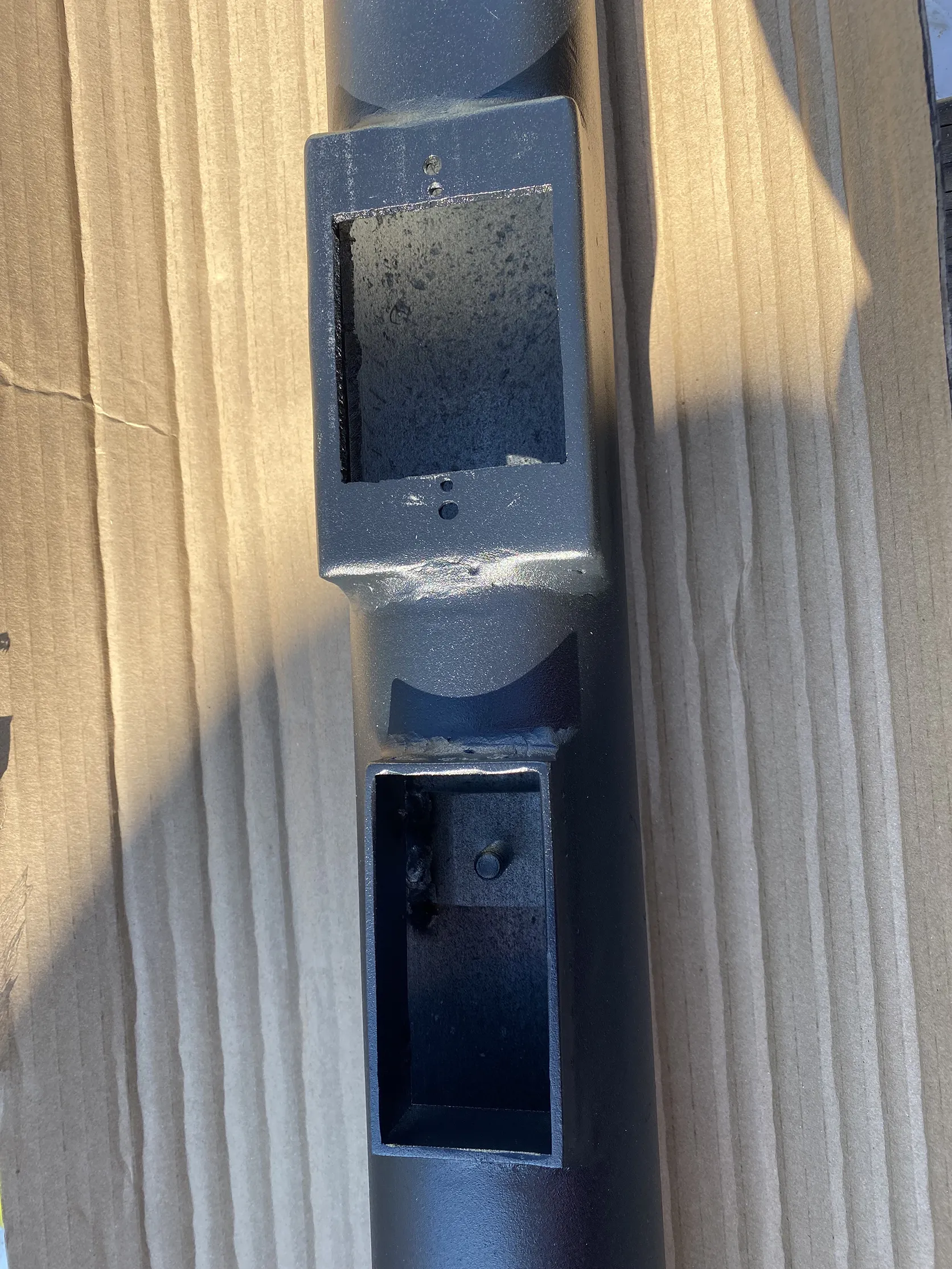
Additional Hand Holes
Hand holes provide access to the interior of a light pole for wiring and electrical connections.
Some projects may require an additional hand hole because of the pole configuration, equipment being mounted, or access requirements.
An additional hand hole can be incorporated into the pole during fabrication when its size and location are determined in advance. Receptacle mounts can also be added to additional hand holes as needed. Any standard receptacle and cover can be used.
Custom Fixture Mounting Requirements
Not every project fits neatly into a standard mounting configuration.
A pole may require a specific combination of mounting holes, tenons, brackets, hand holes, cameras, or other equipment.
That is where planning before fabrication becomes particularly valuable.
Light Pole Systems can review custom mounting requirements and incorporate appropriate features into the pole when possible.
If you are already ordering a specialized pole, learn more about our custom light pole options.
What Information Should You Provide When Ordering a Pole?
The more information available about the fixture and mounting arrangement, the easier it is to determine how the pole should be prepared.
When possible, provide information such as:
- Fixture manufacturer and model
- Fixture or mounting-bracket specifications
- Number of fixtures being installed
- Desired fixture arrangement or orientation
- Required mounting height or location
- Tenon or post-top mounting requirements
- Camera or other equipment requirements
- Additional hand-hole requirements
- Fixture cut sheets, drawings, or mounting dimensions
- Any project-specific mounting details
You may not need every item for every project. The objective is simply to identify the mounting requirements before fabrication rather than discovering them after the pole arrives at the job site.
Fixture Mounting Is Part of the Pole Manufacturing Process
Mounting holes and access openings are among the features that can be incorporated while a steel pole is being manufactured.
A steel light pole begins as flat steel that is formed and welded into the required pole shape. The base plate, access openings, mounting provisions, and protective finish are then incorporated as part of the overall manufacturing process.
You can see that process in more detail in our guide to how steel light poles are made.
Thinking about the fixture configuration during this stage gives the manufacturer an opportunity to prepare the pole for the equipment that will eventually be installed on it.
Avoid Making Fixture Mounting an Afterthought
The pole and fixture ultimately have to work together as one system.
Waiting until installation day to determine how the fixture will attach can create avoidable work for the installer.
Before ordering a light pole, confirm:
- What fixture will be installed?
- How does the fixture attach?
- How many fixtures will be mounted?
- Is a tenon, fitter, adapter, or bullhorn required?
- Will cameras or additional equipment also be mounted?
- Are additional access openings or hand holes needed?
- Are drawings or fixture specifications available?
If you need help evaluating fixture compatibility or mounting requirements, see our guide to choosing the right light pole fixture experts.
Answering those questions early can make the ordering and installation process considerably easier.
Frequently Asked Questions About Light Pole Fixture Mounting
Can Light Pole Systems pre-drill fixture mounting holes?
Yes. Pre-drilled holes are one of the fixture mounting options that can be incorporated into a new pole when the required hole locations and mounting specifications are known.
Can a light pole be prepared for a security camera?
Yes. Camera mounting requirements can be incorporated into a pole configuration. Providing information about the camera or mounting hardware ahead of time helps determine what provisions may be needed.
Can multiple fixtures be mounted on one light pole?
Yes. Depending on the project configuration, mounting equipment such as bullhorns can provide multiple fixture mounting positions on a single pole.
Can you add an extra hand hole to a light pole?
Additional hand holes are among the custom options that can be incorporated into a pole when the requirements and location are identified before fabrication.
Should I provide the fixture specifications when ordering the pole?
Whenever possible, yes. Fixture cut sheets, mounting dimensions, bracket information, drawings, or other specifications can help identify how the pole needs to be prepared.
Does every light pole use the same fixture mount?
No. Mounting requirements can vary depending on the pole, fixture, bracket, number of fixtures, and project configuration. The mounting arrangement should be confirmed before the pole is ordered.
Plan Your Light Pole and Fixture Mounting Together
A little planning before fabrication can save a considerable amount of work once a pole reaches the job site.
Whether your project requires pre-drilled holes, a post-top fitter, tenon adapter, bullhorn, camera mount, additional hand hole, or another custom configuration, provide those requirements when requesting your poles so they can be reviewed before fabrication.
Light Pole Systems works with electrical contractors, distributors, facility teams, and other professionals to help provide the correct light pole configuration for the project.
Need help determining what information to provide with your pole order? Contact Light Pole Systems and send us your fixture specifications, drawings, or project requirements.