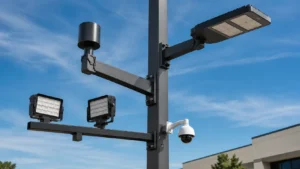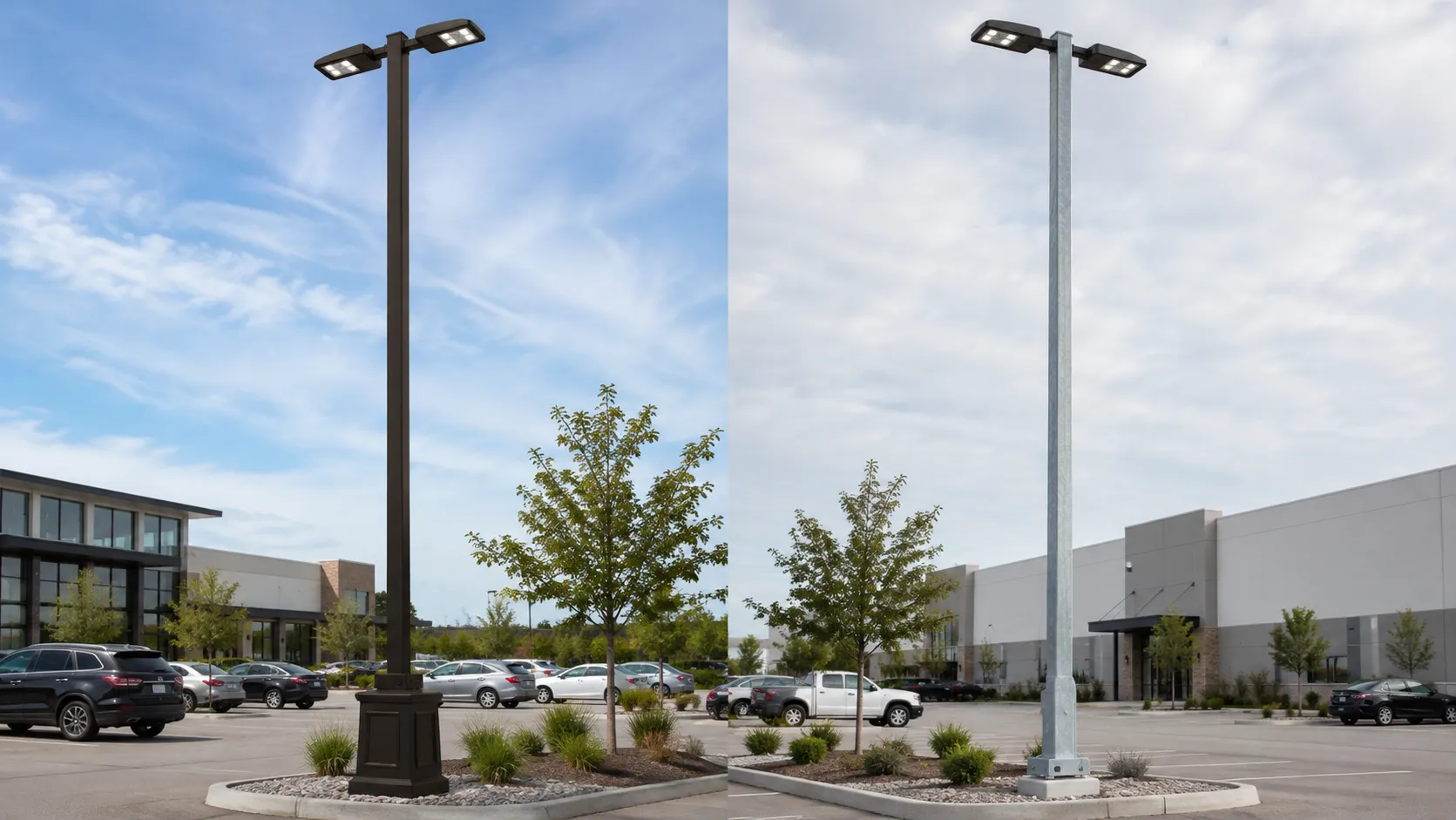
Steel light poles need a protective finish to help protect the underlying steel from corrosion and weather exposure. Two common options are powder coating and hot-dip galvanizing.
Both finishes can provide effective protection, but they serve somewhat different priorities.
Powder coating is often selected when appearance, color, and architectural consistency are important. Hot-dip galvanizing is commonly selected when long-term corrosion protection is the primary concern. For projects that need both appearance and increased corrosion protection, powder coating can also be applied over galvanized steel as part of a duplex coating system.
The right choice depends on the pole material, project environment, appearance requirements, expected maintenance, budget, and specifications.
If you are interested in how the pole itself is fabricated before the finish is applied, read our guide to how steel light poles are made.
Powder Coated vs. Galvanized Light Poles: Quick Comparison
| Consideration | Powder Coated Light Pole | Hot-Dip Galvanized Light Pole |
|---|---|---|
| Appearance | Smooth, decorative finish | Industrial silver-to-gray finish |
| Color Options | Wide range of colors | Primarily natural galvanized appearance |
| Corrosion Protection | Good when properly prepared and maintained | Excellent corrosion protection for steel |
| Interior Protection | Depends on the manufacturer’s coating process | Can coat accessible interior surfaces when properly designed for galvanizing |
| Finish Consistency | Generally uniform | Appearance may vary from bright silver to matte gray |
| Architectural Projects | Excellent choice | Often selected when appearance is secondary |
| Harsh Environments | Depends on coating system and exposure | Often preferred for increased corrosion protection |
| Powder Over Galvanizing | Not applicable | Can be powder coated as a duplex system |
There is no single finish that is best for every project. The environment and intended use of the light pole should guide the decision.
What Is a Powder Coated Light Pole?
Powder coating is a dry finishing process commonly used on steel and aluminum light poles.
Instead of applying conventional liquid paint, finely ground powder is electrostatically applied to the prepared metal surface. The coated part is then heated so the powder melts, flows, and cures into a continuous finished coating.
The Powder Coating Institute explains the powder coating process as typically using electrostatic spray deposition to apply the powder to the metal substrate.
A typical powder coating process may include:
- Surface preparation to remove contaminants, oxidation, mill scale, or other material that could interfere with adhesion.
- Pre-treatment appropriate for the metal and specified coating system.
- Electrostatic application of the powder to the prepared surface.
- Curing the coated pole at the temperature and time required for the selected powder.
- Inspection of the finished coating for coverage, appearance, and other specified requirements.
Surface preparation is particularly important. A high-quality powder coating applied over poorly prepared steel can still experience premature adhesion or corrosion problems.
Benefits of Powder Coated Light Poles
One of the main advantages of powder coating is appearance.
Powder coated poles are available in a wide range of colors and finishes, making them useful for parking lots, commercial developments, shopping centers, schools, parks, walkways, and architectural projects where the poles need to coordinate with buildings or surrounding site features.
The most common light pole colors include:
- Bronze
- Black
- White
- Gray
Custom colors are also available. Light Pole Systems stocks many custom powder coat colors and can special order specific colors to meet project requirements.
Finish options can also include different gloss levels and textures.
A textured or matte finish may be selected for one project, while another may require a smoother architectural appearance.
Powder coating also provides a durable barrier between the steel and the surrounding environment when the surface is properly prepared and the appropriate exterior coating system is selected.
Things to Consider With Powder Coating
Powder coating protects steel primarily by creating a barrier over the metal.
If that barrier becomes deeply scratched, chipped, improperly prepared, or otherwise compromised, exposed steel can become vulnerable to corrosion.
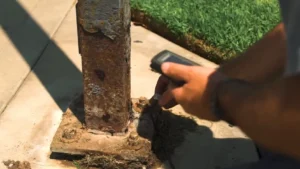
For more information on identifying deterioration and understanding when corrosion may become a structural concern, see our guide to light pole corrosion.
The performance of the coating therefore depends on several factors, including:
- Surface preparation
- Powder formulation
- Coating thickness
- Proper curing
- Environmental exposure
- Physical damage
- Installation conditions
- Ongoing maintenance
Color matching should also be considered when replacement poles, accessories, or other components are being manufactured at different times.
Even when the same nominal color is specified, minor variations may occur between coating batches, applicators, substrates, curing conditions, and existing finishes that have weathered in the field.
For projects where an exact visual match is important, confirm the finish requirements before production.
What Is a Hot-Dip Galvanized Light Pole?
Hot-dip galvanizing is a corrosion-protection process used on fabricated steel.
During the process, properly prepared steel is immersed in a bath of molten zinc. The zinc reacts metallurgically with the steel, creating a series of zinc-iron alloy layers with a zinc coating over the steel surface.
According to the American Galvanizers Association’s explanation of the hot-dip galvanizing process, the process consists of three major stages:
- Surface preparation
- Galvanizing
- Inspection
Surface Preparation
Before the steel can be galvanized, contaminants and oxides need to be removed.
Typical preparation includes:
- Degreasing or caustic cleaning
- Chemical cleaning or pickling to remove rust and mill scale
- Fluxing to prepare the steel for immersion in the zinc bath
Mechanical or abrasive cleaning may also be required for contaminants that cannot be removed through the standard chemical cleaning process.
Galvanizing
Once properly prepared, the fabricated steel is immersed in molten zinc.
Because hot-dip galvanizing is an immersion process, zinc can reach exterior surfaces and accessible interior surfaces of properly designed hollow structures.
This characteristic can be particularly useful for steel light poles, where moisture can sometimes develop or enter inside the pole.
Inspection
After galvanizing, the coating is inspected for characteristics such as coating thickness, coverage, appearance, and conformance with the applicable specifications.
Benefits of Galvanized Light Poles
Hot-dip galvanizing is frequently selected when corrosion protection and long-term durability are major priorities.
Unlike a decorative coating applied primarily to the exterior of a pole, the immersion process can provide zinc protection to both exterior and accessible interior steel surfaces when the pole has been properly designed and fabricated for galvanizing.
That interior protection can matter because outdoor light poles are not necessarily dry inside.
Rain, condensation, irrigation, wiring openings, temperature changes, and other environmental conditions can allow moisture to collect inside a pole.
Protective finishes are only one part of controlling this problem. Proper drainage is also important. Our guide to light pole drainage and base corrosion explains why accumulated water needs an appropriate path out of the pole.
What Does a Galvanized Light Pole Look Like?
A newly galvanized pole may have a bright silver appearance, while another galvanized pole may appear duller, darker, or more matte.
Galvanized Finish Appearance Can Vary
Hot-dip galvanized steel does not always have the same visual appearance. Some galvanized surfaces have a bright, reflective finish, while others may appear duller or more matte. These variations are normal and can occur because of differences in the steel and the galvanizing process.
When galvanized poles use aluminum accessories such as base covers, hand hole covers, or pole caps, those accessories are typically powder coated rather than galvanized. Textured Silver is commonly used to coordinate with the galvanized steel, although Chrome or Metallic Silver may also be used.

These visual differences do not necessarily mean one coating is defective.
The appearance of hot-dip galvanized steel can vary because of factors such as:
- Steel chemistry
- Cooling conditions
- Surface condition
- Coating development
- Weathering
Galvanized steel commonly develops a more uniform matte gray appearance as it weathers.
For projects where appearance and exact color consistency are more important than the natural galvanized finish, powder coating or a duplex system may be more appropriate.
Powder Coating vs. Galvanizing: Which Provides Better Corrosion Protection?
For a bare steel light pole where corrosion protection is the primary requirement, hot-dip galvanizing generally provides a more comprehensive corrosion-protection system than an exterior-only decorative powder coating.
However, that does not mean a powder coated pole is unsuitable for exterior use.
A properly specified and applied exterior powder coating can provide durable service in many commercial and architectural applications.
The decision should consider the actual exposure conditions.
Factors may include:
- Rain and humidity
- Coastal or salt exposure
- Irrigation
- Industrial contaminants
- Standing water
- Physical impact
- Expected maintenance
- Desired appearance
- Required service life
- Project specifications
The finish should be selected as part of the overall light pole specification rather than based only on appearance or initial cost.
Can You Powder Coat a Galvanized Light Pole?
Yes. Powder coating can be applied over hot-dip galvanized steel to create what is commonly called a duplex system.
A duplex system combines the corrosion protection of galvanizing with the color and finished appearance of powder coating.
The American Galvanizers Association’s guidance on duplex systems explains that paint or powder coating can be applied over hot-dip galvanized steel to provide additional corrosion protection while also allowing greater aesthetic flexibility.
Proper surface preparation is critical.
The galvanizer, fabricator, and powder coater should know in advance that the finished component will use both systems so that the galvanized surface can be prepared appropriately for the subsequent coating.
When specified and prepared correctly, a duplex system can be an excellent option for projects requiring both enhanced corrosion protection and a particular color or architectural finish.
Is Galvanizing Better Than Powder Coating?
It depends on what “better” means for the project.
Choose Powder Coating When:
Powder coating may be appropriate when:
- A specific color is required.
- Architectural appearance is important.
- The pole needs to coordinate with buildings, fixtures, railings, or other site elements.
- The project requires a smooth or textured decorative finish.
- Environmental conditions and maintenance expectations are compatible with the selected coating system.
Choose Hot-Dip Galvanizing When:
Galvanizing may be appropriate when:
- Long-term corrosion protection is a primary concern.
- The pole will be exposed to demanding outdoor conditions.
- Protection of accessible interior steel surfaces is desirable.
- A natural silver or gray industrial appearance is acceptable.
- Reduced dependence on a decorative exterior finish is preferred.
Consider a Duplex System When:
A galvanized and powder coated pole may be appropriate when:
- The project requires a specific architectural color.
- Enhanced corrosion protection is also important.
- The environment is particularly demanding.
- Long-term performance justifies the additional finishing process.
The final specification should always account for the project requirements, pole manufacturer’s recommendations, engineering requirements, and expected environmental exposure.
What About Aluminum Light Poles?
Hot-dip galvanizing, as discussed in this article, is a process for protecting steel with zinc.
Aluminum poles are not hot-dip galvanized in the same manner as fabricated steel poles.
Aluminum already has different corrosion characteristics from carbon steel and may be supplied with its natural finish, anodized, painted, or powder coated depending on the project requirements.
When choosing between steel and aluminum, finish is only one consideration. Pole height, loading, environment, mounting configuration, appearance, weight, engineering requirements, and cost should all be evaluated.
Light Pole Systems provides custom light poles in several steel and aluminum configurations for projects requiring specific pole sizes, shapes, materials, or finishes.
The Pole Finish Is Only Part of Corrosion Prevention
Choosing the right coating is important, but even a well-finished pole can develop problems if the installation creates conditions that hold moisture against the steel.
Particular attention should be paid to the bottom of the pole, including:
- The pole shaft
- Base plate
- Welded connection
- Anchor bolts
- Nuts and washers
- Concrete footing
- Grout or dry pack
- Drainage around and beneath the base plate
Standing water and trapped moisture can contribute to corrosion over time, particularly where a coating has already been damaged or deteriorated.
Before installing or replacing a steel pole, review the drainage conditions and follow the pole manufacturer’s installation requirements.
If an existing pole has already experienced significant corrosion around its lower section, complete replacement may not always be the only solution. Light Pole Systems manufactures a Pole Repair Kit for certain rust-damaged light pole applications.
How to Choose the Right Light Pole Finish
Before specifying a finish, consider these questions:
- What material is the pole made from?
- What environmental conditions will the pole experience?
- Is corrosion protection or appearance the greater priority?
- Does the project require a particular color or texture?
- Will the pole be exposed to irrigation, salt, moisture, or industrial contaminants?
- What maintenance is expected over the life of the pole?
- Does the project specification require a particular coating system?
- Would a duplex galvanized and powder coated system provide an advantage?
- What finish options are available for the required pole configuration?
- How will the selected finish affect cost and manufacturing lead time?
There is no universal answer that applies to every installation.
A decorative commercial property may place greater emphasis on color and appearance, while a utility, municipal, industrial, coastal, or high-moisture application may place greater emphasis on corrosion protection.
Understanding the environment before ordering the pole makes it easier to select an appropriate finish.
For the other specifications that should be confirmed before purchase, see our guide on how to order a light pole.
Frequently Asked Questions About Powder Coated and Galvanized Light Poles
Does Powder Coating Prevent a Steel Light Pole From Rusting?
Powder coating creates a protective barrier between the steel and the environment. When the steel is properly prepared and the coating remains intact, it can provide effective corrosion protection. Deep scratches, coating failure, improper preparation, or prolonged exposure of bare steel can allow corrosion to develop.
Do Galvanized Light Poles Rust?
Galvanizing is specifically used to protect steel from corrosion, but no protective system should be treated as indestructible. Environmental conditions, coating thickness, physical damage, chemical exposure, design details, and service conditions can all influence long-term performance.
Can a Galvanized Pole Be Painted or Powder Coated?
Yes. Paint or powder coating can be applied over properly prepared galvanized steel. This combination is known as a duplex system and can provide both a decorative finish and additional corrosion protection.
Why Are Some Galvanized Poles Shiny and Others Gray?
The appearance of galvanized steel can vary based on steel chemistry, coating development, cooling, and weathering. Bright silver, mottled, or matte gray appearances do not by themselves determine the corrosion performance of the galvanized coating.
Which Is Better for a Parking Lot Light Pole?
Either finish may be appropriate. Powder coating is frequently attractive where site appearance and color coordination are important, while galvanizing may be favored where corrosion protection is the greater concern. Site conditions, specifications, maintenance expectations, and budget should determine the final choice.
Does the Inside of a Light Pole Need Corrosion Protection?
Moisture can develop or enter inside outdoor light poles, so interior conditions should not be ignored. The required protection depends on the pole material, manufacturing process, finish, design, and installation. Proper drainage is also important because protective coatings cannot compensate for water being continuously trapped inside the pole.
Need Help Selecting a Light Pole or Finish?
Choosing a light pole involves more than selecting its height and color.
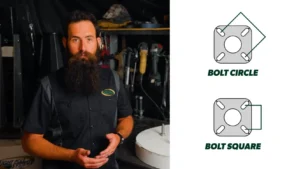
Pole material, wall thickness, shape, base plate, anchor bolt pattern, fixture mounting, wind requirements, finish, environment, and installation conditions can all affect the final specification.
If fixture compatibility is also part of the project, review our guide to light pole fixture mounting options.
Light Pole Systems works with contractors, distributors, facility professionals, municipalities, and other organizations that need help solving unusual light pole requirements.
Explore our custom light pole options or contact Light Pole Systems if you need help determining the appropriate pole or finish for your project.
For additional installation, maintenance, and light pole information, visit our Light Pole Tech Tips & Blog.