How to Find the Right Light Pole Fixture Experts
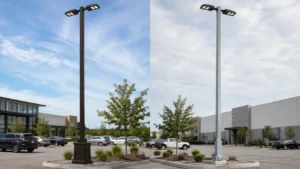
When selecting or replacing a commercial light pole fixture, the fixture itself is only part of the system. The fixture must work with the pole, mounting configuration, project requirements, and environmental conditions at the installation site.
That is why choosing the right light pole fixture experts matters.
A knowledgeable fixture professional should be able to help identify the fixture specifications you need, while the light pole supplier or manufacturer should understand how those requirements affect the pole, mounting provisions, and overall configuration.
Whether you are replacing fixtures on existing poles or ordering an entirely new pole and fixture system, understanding how these pieces work together can help prevent costly modifications once the equipment reaches the job site.
What Should a Light Pole Fixture Expert Understand?
A qualified fixture expert should look beyond basic considerations such as wattage, brightness, or fixture appearance.
For commercial light pole projects, several factors can affect whether a fixture and pole are compatible, including:
- Fixture mounting method
- Fixture dimensions and weight
- Fixture EPA
- Number of fixtures mounted on the pole
- Fixture orientation and tilt
- Required tenons, fitters, brackets, or adapters
- Pole height and configuration
- Existing mounting provisions
- Condition of an existing pole
- Project drawings and specifications
- Applicable site and wind requirements
The goal is not simply to find a fixture that produces the desired light output. The fixture also needs to connect correctly to the pole and remain within the requirements of the overall installation.
Start With Light Pole Fixture Mounting Compatibility
One of the first questions to answer is: How will the fixture attach to the pole?
Light poles can use several different fixture mounting arrangements. Depending on the project, the pole may require:
- Pre-drilled fixture mounting holes
- Post-top fitters
- Tenons or tenon adapters
- Bullhorn mounts
- Brackets
- Camera mounting provisions
- Additional hand holes
- Other custom mounting configurations
The fixture specification sheet or mounting instructions should identify how the fixture is intended to connect.
If the fixture and pole use different mounting configurations, additional hardware or a custom solution may be required.
For a detailed explanation of these configurations, see our guide to light pole fixture mounting options.
Confirm Fixture EPA and Wind Load Requirements
Fixture compatibility is not limited to whether the fixture physically attaches to the pole.
The equipment mounted near the top of a light pole is exposed to wind, which creates forces that are transferred into the pole structure.
This is where EPA, or Effective Projected Area, becomes important.
Fixture manufacturers generally provide EPA information for their products. The pole manufacturer can then use the fixture configuration, EPA, fixture weight, pole specifications, and applicable design conditions to determine whether the proposed configuration is appropriate.
Several details can influence the total loading, including:
- Number of fixtures
- Fixture arrangement
- Mounting arms or bullhorns
- Fixture orientation
- Fixture tilt
- Cameras, signs, or other pole-mounted equipment
Before selecting a pole or changing an existing fixture configuration, review our guide to light pole EPA rating for a more detailed explanation of Effective Projected Area and pole capacity.
Consider Fixture Weight, Quantity, and Configuration
Two projects using the same fixture model may not necessarily place the same demands on a light pole.
For example, a pole supporting one fixture has a different configuration from a pole supporting several fixtures on a bullhorn or multiple mounting arms.
Before finalizing the equipment, confirm:
- How many fixtures will be installed?
- Where will each fixture be positioned?
- Will the fixtures be mounted horizontally or tilted?
- What mounting hardware is required?
- Will additional equipment also be attached to the pole?
- What is the total fixture and accessory weight?
- What EPA information does the fixture manufacturer provide?
Providing this information early can help the pole supplier understand the complete configuration rather than discovering compatibility problems after the pole has already been fabricated.
Evaluate the Existing Light Pole Before Reusing It
When replacing fixtures on an existing pole, do not assume the pole is automatically suitable simply because the new fixture appears similar to the old one.
Inspect or document relevant details such as:
- Pole height and shape
- Pole material
- Existing mounting configuration
- Tenon or fitter dimensions
- Existing holes or brackets
- Hand hole condition
- Base and anchor bolt condition
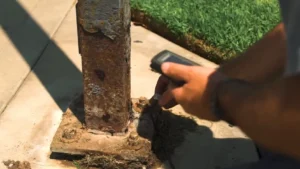
- Visible corrosion or damage
- Current fixture quantity and arrangement
Significant corrosion, impact damage, deformation, or deterioration may require further evaluation before equipment is changed or reused.
If deterioration is visible, review our guide to light pole corrosion and have the condition evaluated by the appropriate qualified professional when necessary.
Gather the Right Information Before Contacting a Fixture or Pole Supplier
Good information makes it much easier for fixture experts, distributors, contractors, and pole suppliers to understand what the project requires.
Whenever possible, gather:
- Fixture manufacturer
- Fixture model number
- Fixture specification sheet
- Mounting instructions
- Fixture weight
- Fixture EPA information
- Number of fixtures
- Desired fixture arrangement
- Existing pole measurements
- Photos of the pole and existing mounting
- Pole drawings or manufacturer information, if available
- Project drawings or specifications
- Site location
- Information about cameras, signs, brackets, or other equipment
If the project includes a replacement or new pole, our guide on how to order a light pole explains the additional information worth collecting before placing the order.
When Are Custom Fixture Mounting Solutions Needed?
Not every fixture installation fits a standard configuration.
A project may involve an existing fixture that needs to be adapted to a new pole, a new fixture that does not match the existing mounting arrangement, or equipment that requires a specialized combination of brackets, tenons, mounting holes, hand holes, or other components.
Depending on the project, a custom solution may involve:
- Custom mounting provisions
- Custom fitters or tenons
- Specialized brackets
- Pre-drilled mounting locations
- Additional access openings
- Camera or accessory mounting
- A pole fabricated around specific fixture requirements
Light Pole Systems works with custom configurations when standard options do not meet the requirements of the project.
Learn more about our custom fixture solutions and custom light poles if your installation requires a non-standard configuration.
Who Should Be Involved in a Light Pole Fixture Project?
Different professionals may be responsible for different parts of the project.
Fixture Manufacturer or Lighting Representative
The fixture manufacturer or representative is typically the best source for fixture-specific information such as:
- Fixture dimensions
- Weight
- EPA
- Mounting instructions
- Available mounting accessories
- Photometric information
- Fixture configuration data
Electrical Distributor
An electrical distributor can help source the fixture and other project components and may also coordinate with manufacturers or representatives when additional specifications are required.
Electrical Contractor
The electrical contractor is responsible for the electrical and field-installation aspects of the project within the contractor’s scope.
Light Pole Supplier or Manufacturer
The pole supplier needs to understand how the fixture, mounting hardware, and other equipment will interact with the pole.
This becomes especially important when ordering a new pole or specifying custom mounting provisions.
Engineer or Project Design Professional
Projects involving structural requirements, unusual loading conditions, engineering questions, or project-specific design criteria may require review by the appropriate engineer or design professional.
A successful project depends on the relevant professionals sharing the correct information before equipment is ordered and installed.
Questions to Ask Before Selecting a Light Pole Fixture Expert
Before relying on a supplier, manufacturer representative, contractor, or consultant, consider asking:
- Do you regularly work with commercial pole-mounted fixtures?
- Can you provide the fixture specification sheet?
- What mounting configuration does this fixture require?
- What are the fixture weight and EPA?
- Are different EPA values provided for different mounting configurations or tilt angles?
- What tenon, fitter, bracket, or adapter is required?
- Is the fixture compatible with my existing pole?
- What information should I provide before ordering?
- Are project drawings or engineering requirements involved?
- Who should review the configuration if the existing pole will be reused?
Clear answers to these questions are more valuable than simply choosing equipment based on price alone.
Does a Fixture Change Mean the Light Pole Must Be Replaced?
Not necessarily.
Sometimes the existing pole can remain in service and the fixture can be installed using compatible mounting hardware or another appropriate solution.
In other situations, differences in mounting configuration, pole condition, fixture loading, or project requirements may make a different pole configuration necessary.
Do not make that decision based only on appearance.
The existing pole, mounting system, fixture specifications, and project requirements should be considered together.
For additional examples of issues that can complicate replacement projects, see our guide to common light pole problems and how to prevent them.
Plan the Fixture and Light Pole as One System
The best time to identify fixture compatibility problems is before the equipment reaches the job site.
Confirm the fixture specifications, mounting method, weight, EPA, number of fixtures, mounting arrangement, pole configuration, and project requirements as early as possible.
When the fixture and pole are planned together, many mounting provisions can be incorporated before fabrication rather than modified in the field later.
Light Pole Systems can help review the pole-side requirements of commercial light pole projects, including standard and custom mounting configurations.
If you are preparing a project, send us the available fixture specifications, drawings, photos, measurements, and project requirements so the appropriate options can be reviewed.
Get Help With Your Light Pole Project
Frequently Asked Questions
Can Any Commercial Light Fixture Be Installed on Any Light Pole?
No. Fixture mounting requirements vary, and the fixture’s weight, EPA, mounting configuration, and other specifications must be considered along with the pole.
Where Can I Find the EPA of a Light Fixture?
Fixture EPA information is typically provided by the fixture manufacturer in the product specification sheet or related technical documentation. You can also review our light pole EPA rating guide to understand how EPA relates to pole selection.
What Information Should I Provide When Replacing an Existing Fixture?
Provide the fixture model and specifications along with photos and measurements of the existing pole, mounting configuration, and any available pole or project documentation.
Can a Light Pole Be Prepared for Multiple Fixtures?
Yes, depending on the pole and project requirements. Multiple fixtures may use mounting configurations such as arms, adapters, or bullhorns. Review our guide to light pole fixture mounting options for examples of common configurations.
What If My Fixture Does Not Match the Existing Pole Mounting?
An adapter, fitter, bracket, custom mounting provision, or different pole configuration may be possible depending on the project. Learn more about custom light pole fixture solutions when a standard mounting configuration does not fit the application.
Should Fixture Specifications Be Provided When Ordering a New Light Pole?
Yes. Providing fixture specifications, mounting requirements, weight, EPA, drawings, and the intended fixture arrangement helps determine how the pole should be configured before fabrication. Our guide on how to order a light pole covers the other information worth gathering before purchase.
We pride ourselves on providing excellent customer service and look forward to helping you with any of your light pole needs.
Get a Quote