Light Pole Rigging Safety: What Contractors Should Know
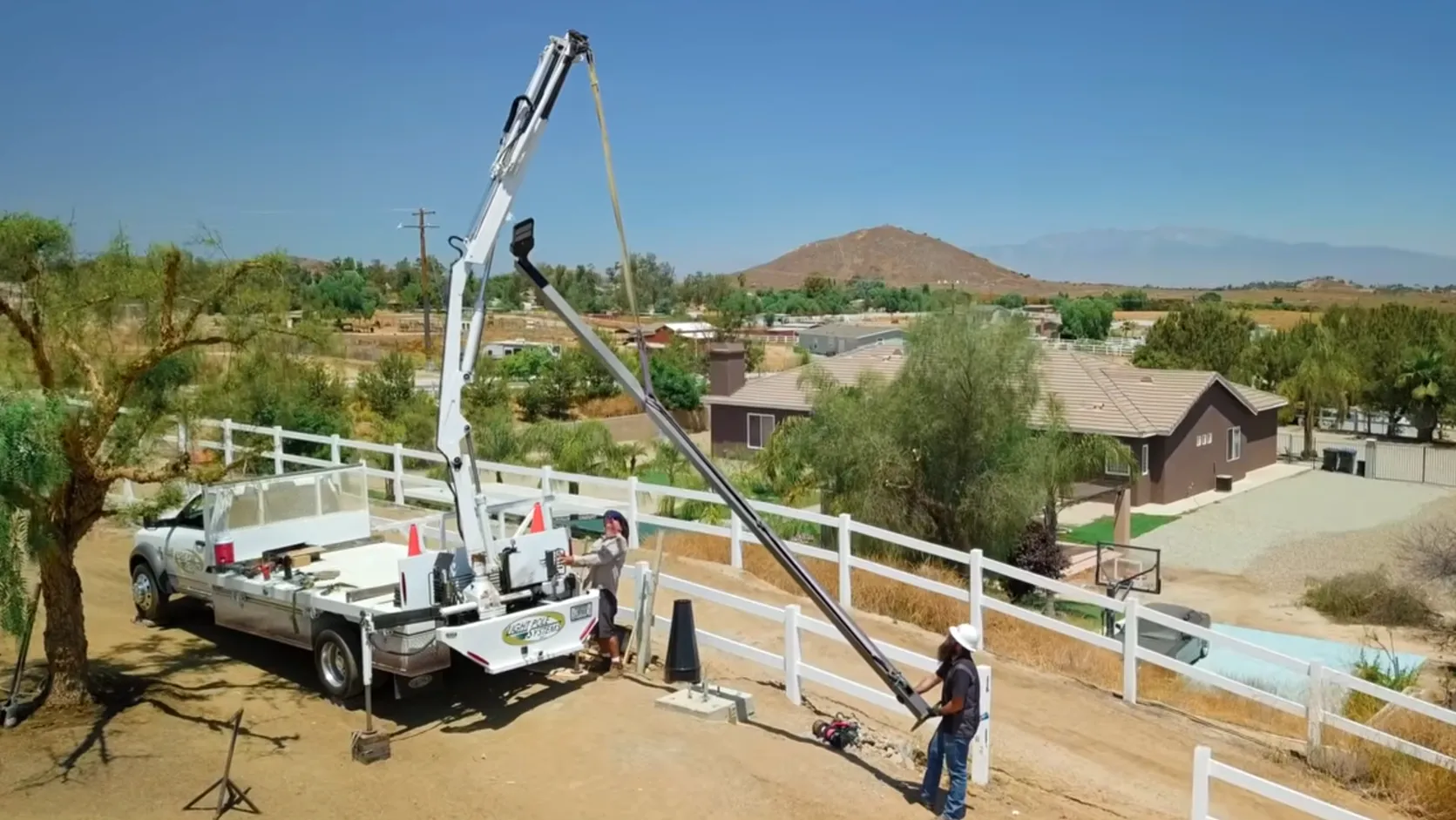
Lifting and positioning a light pole requires more than simply connecting rigging equipment and picking up the pole. Light poles can vary considerably in height, weight, material, shape, construction, and balance, and every jobsite presents its own conditions.
For contractors and crews involved in light pole work, light pole rigging safety should begin with proper planning, qualified personnel, suitable lifting equipment, and an understanding of the pole and site conditions before the lift begins.
This article provides a general overview of important considerations associated with lifting and rigging light poles. It is not a step-by-step rigging procedure or a substitute for professional training, an engineered lift plan when required, equipment manufacturer instructions, applicable regulations, or the judgment of qualified personnel.
Why Light Pole Rigging Requires Careful Planning
A light pole may appear relatively simple when it is lying on the ground, but lifting a long suspended object introduces several variables.
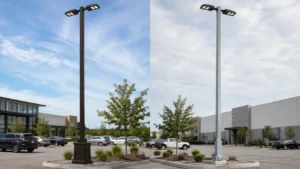
The dimensions and construction of the pole affect how it behaves during handling. A short square steel pole, for example, may present very different considerations from a tall tapered pole or a pole equipped with brackets, arms, fixtures, or other components.
Before a lift takes place, the personnel responsible for the operation should understand the specifications and condition of the pole as well as the lifting equipment, rigging, surrounding environment, and planned work area.
If you are unfamiliar with the different materials and construction methods used for poles, our guide to types of light poles, materials, construction, and damage provides additional background.
Video: Light Pole Rigging Overview
The following video shows a light pole lifting operation performed by Light Pole Systems personnel. It is provided as a general overview of the process and should not be interpreted as a universal rigging procedure. Equipment, pole configurations, site conditions, and lifting requirements can vary significantly from one project to another.
Safety Notice: This video provides a general overview of a light pole lifting operation and is not intended as a substitute for professional rigging training, site-specific lift planning, applicable regulations, manufacturer requirements, or the judgment of qualified personnel.
Understand the Light Pole Before the Lift
One of the first considerations is understanding exactly what is being lifted.
Light poles can differ in material, length, wall thickness, base configuration, attached components, and overall weight. Modifications or attached equipment can also change the characteristics of the load.
The crew responsible for the lift should use reliable project information and manufacturer documentation rather than estimating the characteristics of the pole based only on appearance.
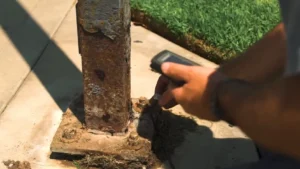
The condition of an existing pole is another consideration. Corrosion, impact damage, deformation, cracks, deteriorated welds, or other damage may affect how a pole can be safely handled.
If deterioration is visible, review our guide to light pole corrosion before assuming the pole can be handled normally.
Light Pole Systems discusses several conditions contractors may encounter in our guide to common light pole problems and how to prevent them.
Use Rigging Equipment Appropriate for the Work
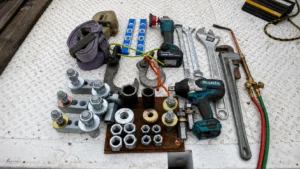
Rigging equipment should be selected by qualified personnel based on the load, equipment, and conditions of the specific lift.
Slings, hooks, shackles, and other rigging components should not simply be chosen because they were available on the previous project.
OSHA’s Rigging Equipment for Material Handling requirements require rigging equipment covered by the standard to be inspected before use on each shift and as necessary during use. Defective equipment must be removed from service. OSHA also requires applicable rigging equipment to have legible identification indicating its recommended safe working load.
Manufacturer requirements and limitations for the specific rigging equipment should also be followed.
Qualified Personnel Are an Important Part of Rigging Safety
Rigging is a safety-critical activity, and the qualifications required depend on the work being performed.
OSHA defines a qualified rigger as a rigger who meets OSHA’s criteria for a qualified person.
Depending on the operation, OSHA regulations may specifically require work to be performed by a qualified rigger. For example, OSHA’s Keeping Clear of the Load requirements include qualified-rigger requirements for certain activities involving employees in a load’s fall zone.
Crane operators may also be subject to OSHA’s operator training, certification, and evaluation requirements, depending on the equipment and work being performed.
Employers and contractors are responsible for determining which requirements apply to their particular operation.
Evaluate the Jobsite Before Lifting a Light Pole
The pole itself is only one part of the lifting operation.
Site conditions can significantly affect how work should be planned. The responsible personnel should evaluate conditions relevant to the particular job before lifting begins.
Depending on the site and work being performed, considerations may include:
- Pole dimensions, weight, condition, and configuration
- Lifting equipment capacity and configuration
- Rigging equipment condition and rated capacity
- Ground and equipment setup conditions
- Overhead utilities and electrical hazards
- Nearby buildings, vehicles, pedestrians, and workers
- Traffic and work-zone requirements
- Weather and wind conditions
- Available working space
- Fall-zone and suspended-load hazards
- Manufacturer instructions and project specifications
- Applicable federal, state, and local safety requirements
The appropriate precautions and procedures must be determined for the specific site and operation rather than assumed from a previous light pole project.
Keep Personnel Clear of Suspended Loads
One of the most important principles during lifting operations is controlling exposure to suspended-load hazards.
OSHA’s Keeping Clear of the Load standard establishes requirements concerning employees being underneath suspended loads or within the fall zone during covered crane operations.
A fall zone is not necessarily limited to the area immediately underneath the pole. OSHA defines it more broadly as an area where suspended materials could reasonably fall in the event of an accident.
The work area should therefore be planned and controlled by the personnel responsible for the operation in accordance with the requirements applicable to that job.
Power Lines Require Special Attention
Light pole projects frequently take place in parking lots, streets, commercial properties, and other environments where overhead electrical lines may be present.
Cranes and other equipment operating around power lines can create serious electrical hazards. The presence and location of overhead utilities should be evaluated before equipment is positioned or lifting operations begin.
OSHA’s Cranes and Derricks in Construction standards contain requirements addressing power-line safety, equipment operation, signals, work-area control, suspended loads, and other crane-related hazards.
The requirements that apply will depend on the equipment, work, and conditions involved.
Pole Selection and Planning Can Prevent Problems Before Installation
Safe handling begins well before a pole arrives at the jobsite.
Confirming the correct pole specifications, dimensions, base plate, anchor bolt pattern, accessories, and project requirements can reduce surprises when the pole is delivered and installation work begins.
This is particularly important when replacing an existing pole. Two poles that look similar do not necessarily have identical dimensions, base plates, or anchor bolt patterns.
Before purchasing a replacement, review how to order a light pole so the required pole, fixture, foundation, and project specifications are documented.
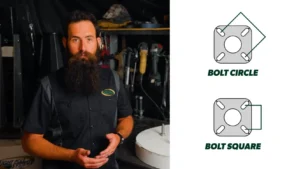
If the existing foundation will be reused, verify the light pole bolt pattern before ordering the replacement pole.
If a project requires a replacement pole with specific dimensions, materials, configurations, or finishes, learn more about custom light poles from Light Pole Systems.
Early planning can help contractors coordinate pole specifications, foundation conditions, equipment requirements, delivery, and installation before crews arrive at the site.
Light Pole Rigging Safety Is Site-Specific
There is no single rigging procedure that should be applied to every light pole.
Pole configuration, equipment, rigging, personnel, environmental conditions, site restrictions, and regulatory requirements can all change from one project to another.
For that reason, rigging and lifting decisions should be made by appropriately qualified personnel who can evaluate the actual pole, equipment, and jobsite conditions.
Light Pole Systems provides light poles and specialized products designed to solve common problems encountered with exterior lighting infrastructure. We do not intend this article to replace professional rigging instruction, safety training, equipment manufacturer requirements, engineering guidance, or applicable workplace safety regulations.
Need Help With a Light Pole Project?
If you are replacing a light pole or dealing with an unusual pole, anchor bolt, base plate, or other light pole-related problem, the Light Pole Systems team can help you evaluate available product options.
Contact Light Pole Systems to discuss your light pole requirements and determine what products or solutions may be appropriate for your project.
Important Safety Notice: This article is provided for general informational purposes only. Rigging, lifting, crane operation, and light pole installation can involve serious hazards. Work should be planned and performed by appropriately trained and qualified personnel in accordance with applicable regulations, equipment manufacturer instructions, project specifications, and site-specific safety requirements.
We pride ourselves on providing excellent customer service and look forward to helping you with any of your light pole needs.
Get a Quote